The Computational Media and Arts Department (CMA) at the Hong Kong University of Science and Technology (Guangzhou) is launching the Electric Dreams Artist-in-Residence Program, its first artist residency. Anchored in the MFA in Computational Arts, the program brings artists into our community to develop new work and exchange ideas with students and faculty.
At its centre is time to make: to follow an unexpected direction, experiment with unfamiliar tools and discover what a new collaboration might become. Artists join a community where artistic practice, computational research and hands-on experimentation meet, with the space and resources to pursue ambitious new ideas.
Residencies run for one to three months, with the ambition of welcoming one artist each term. The focus is the artist’s own practice. A finished artwork is not a requirement; questions, experiments and work in progress are part of the encounter.
Support for artists
Room to think. Resources to make.
Artists receive the time, space and practical support to focus on developing their work:
RMB 10,000 monthly stipend to support the residency.
Accommodation, return airfare and airport transfers provided.
A dedicated workspace for research, experimentation and making.
Full access to CMA’s state-of-the-art facilities and equipment.
Technical assistance, including induction and booking support from our facilities teams.
Production support through use of facilities and consumables, with project needs agreed in advance.
A faculty host to connect artists with students, researchers and potential collaborators.
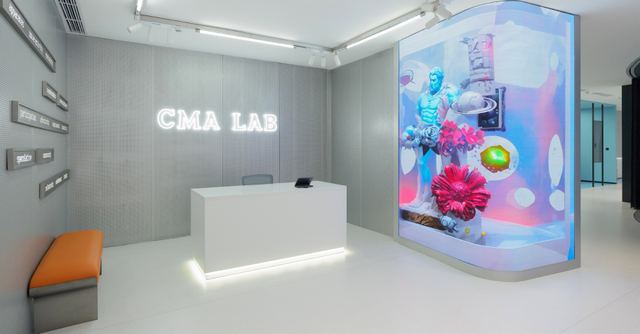
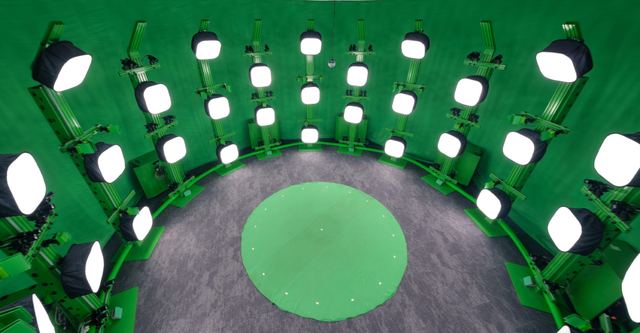
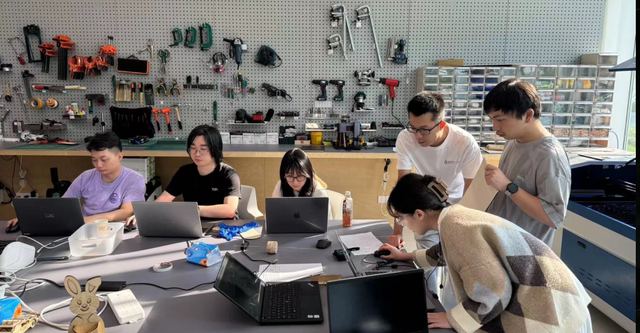
Spaces for experimentation
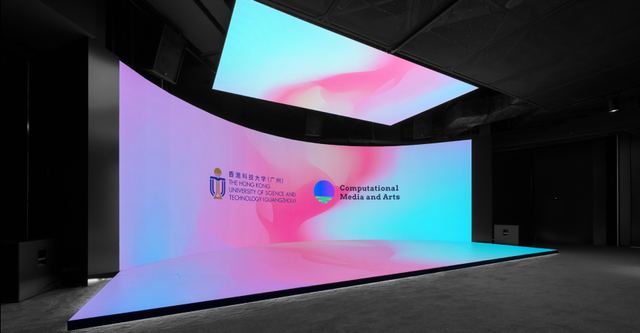
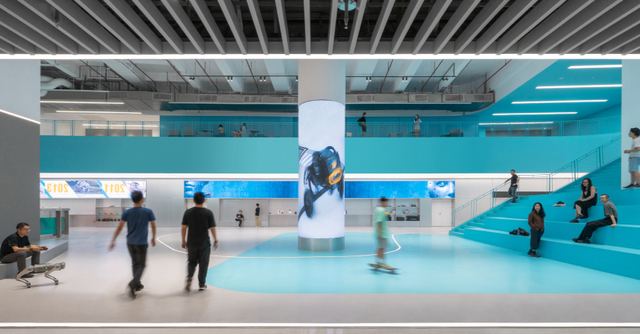
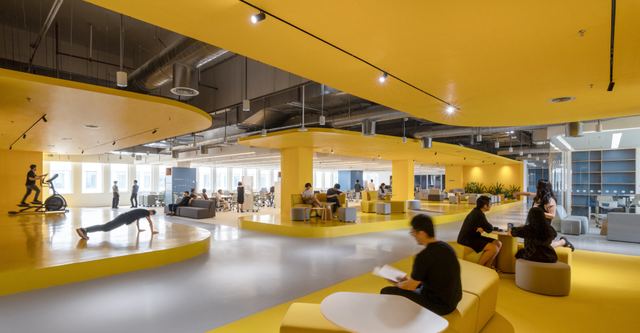
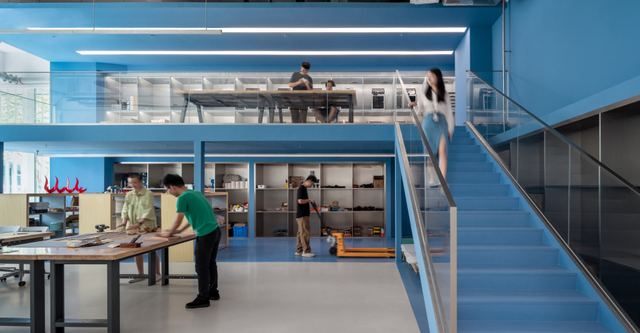
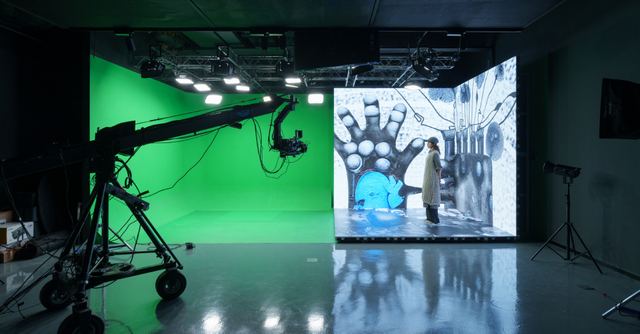
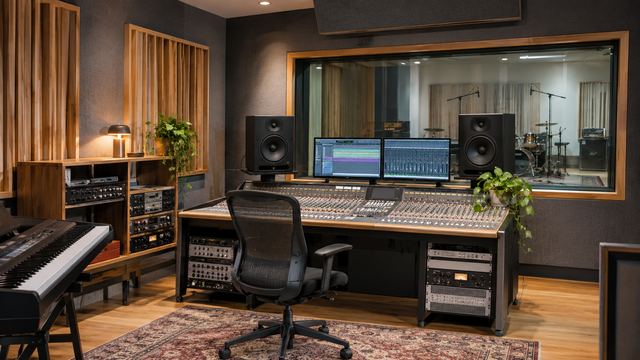
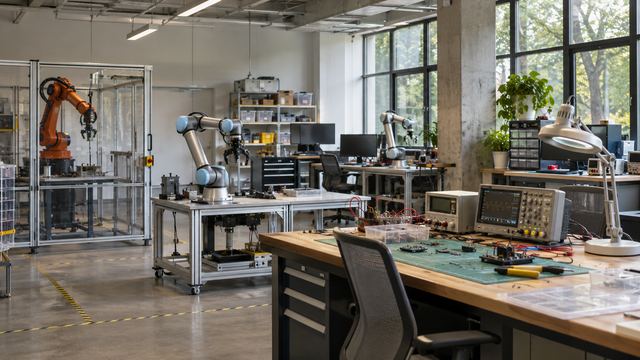
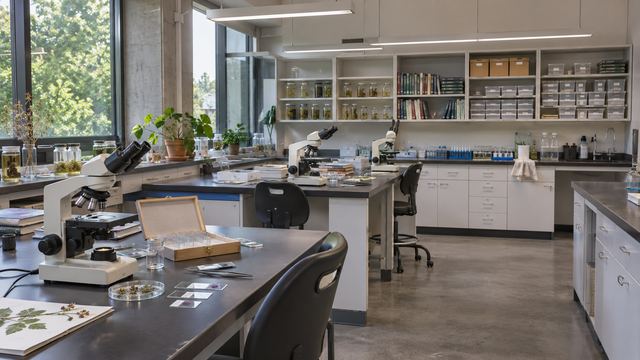
A few examples of the spaces and equipment artists can access across CMA and the university—not an exhaustive list. Access and technical support are coordinated around each project.
Facility photographs: MFA in Computational Arts, HKUST(GZ). The music studio, robotics lab and bio lab images are illustrative, not photographs of the actual rooms.
Our inaugural artist in residence
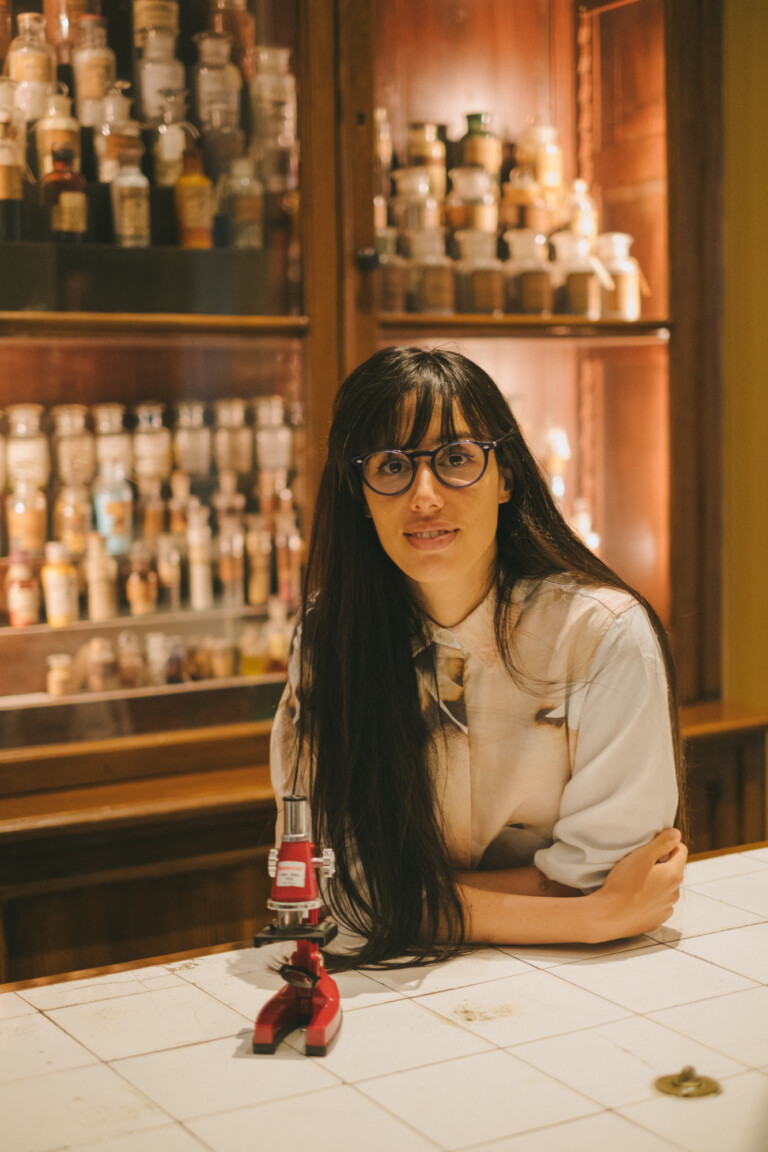
Sofia Crespo
HKUST(GZ) welcomes Sofia Crespo as the inaugural “electric dreamer” for the fall term of 2026.
Originally from Argentina and now based in Lisbon, Sofia Crespo works at the intersection of biological life and artificial intelligence. With Norwegian artist Feileacan Kirkbride McCormick, she forms Entangled Others, a duo exploring reciprocal relationships between living systems and artificial processes.
Her practice connects today’s neural networks with earlier instruments of perception, including cameras and microscopes. She asks how these technologies change what we can see and how we understand patterns. In Neural Zoo (2018–2020) and Structures of Being (2024), she examines machine learning in relation to natural processes, particularly the connections between computational image-making and biological recognition.
Her exhibitions include presentations at London’s Victoria and Albert Museum and New York’s Times Square. In 2022, the Buffalo AKG Art Museum acquired Swim, by Entangled Others, for its permanent collection. She received the German Informatics Society’s AI Newcomer Award and has given lectures at MIT and the Oxford Artificial Intelligence Society.
The Electric Dreams Artist-in-Residence Program invites students and faculty into the creative process as it unfolds, through shared conversations, practical sessions and informal exchanges.
Meet the artist
An introductory artist talk opens a conversation about the ideas, methods and questions behind the work.
Work alongside ideas
Studio conversations, student critiques and a workshop or guest session create opportunities to learn, experiment and collaborate.
See what emerges
A closing open studio or work-in-progress presentation shares discoveries, including the unfinished and unexpected.
About CMA
Where creative practice meets computational thinking.
The Computational Media and Arts Department at HKUST(GZ) brings art, technology and design into conversation with the university’s science and engineering expertise. Its artists, researchers and students explore creative coding, AI, immersive media, digital fabrication, sound and interactive storytelling.
Through exhibitions, performances, research and public projects, CMA creates space for experimentation, collaboration and critical thinking about the technologies shaping culture and society.